Five years ago, choosing a new car in South Africa was simple: petrol or diesel, and which colour. In 2026 the showroom looks very different. There's a wall of Chinese badges you'd never heard of, a Volvo with no exhaust pipe, and a hybrid Toyota built right here in Durban. Add petrol nudging R26.50 a litre inland and it's no wonder the question we hear most often is a simple one: should I go electric, hybrid, or stick with what I know?
There's no single right answer — it depends on how far you drive, where you park at night, and how long you keep a car. So let's break down all three honestly, without the babble.
Petrol & diesel: the devil you know
The traditional internal-combustion car is still what most South Africans buy, and for good reasons: it's the cheapest to buy, the cheapest and easiest to fix, you can refuel anywhere from Musina to Cape Agulhas, and the popular models hold their resale value well. The catch is the running cost. Petrol 95 sat around R26.50 a litre inland in mid-2026 after another hike in May, and the fuel-levy relief that's been softening the blow is set to fall away in July. Every fuel increase lands straight in your monthly budget.
Hybrids: the sensible middle ground
A hybrid pairs a normal petrol engine with a small electric motor and battery. It charges itself as you drive and brake — there's no plug, no cable, no range anxiety. You just put in petrol like always and use a lot less of it.
This is where South Africa is voting with its wallet. The Toyota Corolla Cross Hybrid — built locally at Toyota's Prospecton plant in Durban — starts around R494,400 and sips just 4.1 to 4.3 litres per 100 km. Toyota holds roughly two-thirds of the local hybrid market for exactly this reason. There's growing competition too: the Haval Jolion HEV sits around R552,600, and BYD's Sealion 5 plug-in hybrid lands near R499,900. For most families, a hybrid is the easiest win available: big fuel savings, zero charging hassle, and none of the 'will I make it home' maths — which matters while our charging network and electricity grid are still maturing.
EVs: cheapest to run, if the sums fit your life
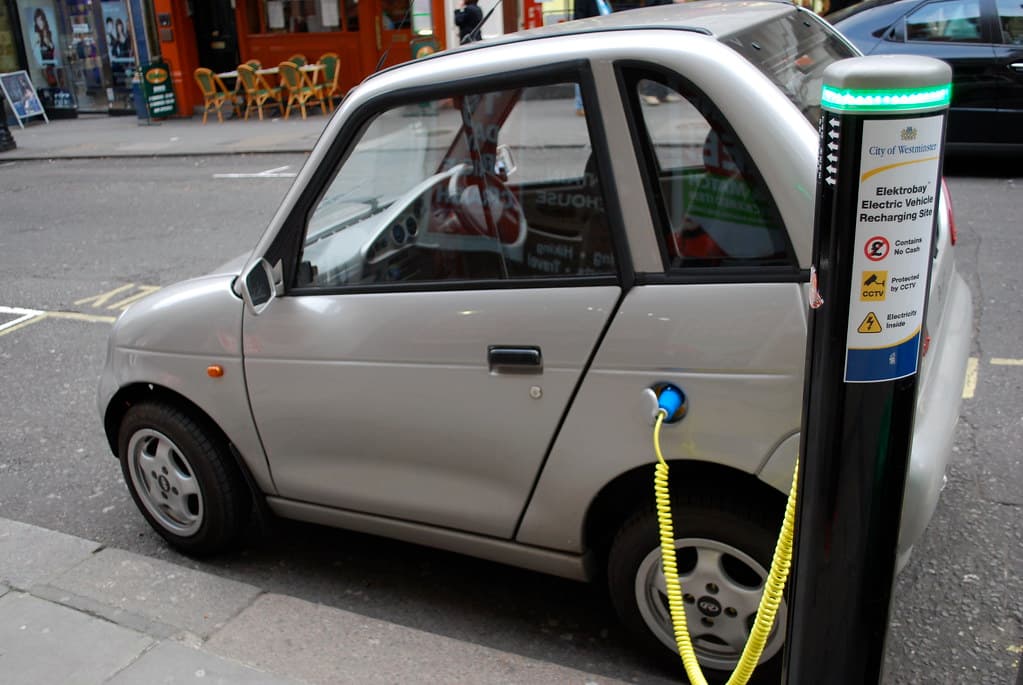
Fully electric cars have quietly become a real option, largely thanks to new Chinese brands. The BYD Dolphin Surf now starts at R339,900 — cheaper than plenty of petrol cars — with a 232 to 295 km range depending on the battery. Step up and the GWM Ora 03 (around R686,950) offers about 310 km, while the Volvo EX30 stretches to roughly 500 km. Charging at home costs a fraction of filling a tank, so on running costs alone an EV is the clear winner.
The honest caveats: public charging is still thin outside the major metros, range needs planning for long trips, and load-shedding plus grid realities are part of the picture. An EV makes the most sense if you have off-street parking to charge overnight, a fairly predictable daily commute, and you keep your cars for several years to bank the savings.
So which one is actually for you?
- You drive mostly in the city, park off-street, and keep cars 5+ years → an EV could save you serious money over time.
- You do long trips, road-trip to the coast, or can't charge at home → a hybrid gives you most of the savings with none of the range anxiety.
- You're on a tight budget, drive low mileage, or buy used → a modern petrol car still makes complete sense.
The bit everyone forgets: insurance and repairs
EVs and hybrids are cheaper to fuel, but they can cost more to insure and repair. Batteries are expensive, some parts are still scarce, and not every panel shop is certified to work on a high-voltage car yet. The newer brands are still building their parts and service networks here, and insurers price that in. The flip side is that many of these cars are packed with safety tech that can pull your premium down. The point is simple: check the insurance cost before you sign, not after.
Before you fall in love with a car, get an insurance quote on it. We'll compare car insurance across South Africa's insurers for your exact model — EV, hybrid or petrol — so there are no nasty surprises after the test drive. Ask us for a quote.
Whatever you choose, the smart move is the same: know the full cost — fuel or charging, maintenance, and cover — before you buy, not after. That's where a good broker earns their keep.
Want to make sure your cover is doing its job? Your Ample broker is one call away — straight-talking advice, no babble.
Schedule a call